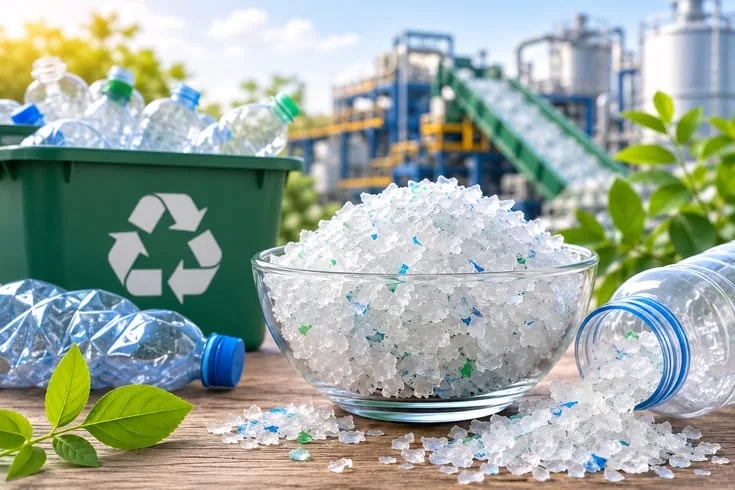
If your product reaches a customer in plastic packaging, India's rules say your responsibility doesn't end at the point of sale. Under the Plastic Waste Management Rules, and the EPR Guidelines for plastic packaging notified in 2022, brands are accountable for what happens to that packaging after use.
Who is responsible: PIBOs
The framework applies to PIBOs:
- Producers: who make plastic packaging, or use it to package their goods.
- Importers: who bring in plastic packaging or packaged products.
- Brand Owners: who sell goods under a registered brand in plastic packaging.
Plastic Waste Processors (PWPs), meaning recyclers, waste-to-energy and co-processing facilities, form the other side of the system. Both PIBOs and PWPs register on the CPCB centralised EPR portal.
The four categories
Obligations are tracked separately for four categories of plastic packaging:
| Category | What it covers |
|---|---|
| I | Rigid plastic packaging |
| II | Flexible packaging, single or multi-layer of different plastics, including carry bags and pouches |
| III | Multi-layered packaging with at least one layer of non-plastic material |
| IV | Compostable plastic sheets and carry bags |
Each category comes with its own targets, so a brand that uses bottles and pouches has two sets of numbers to meet.
What PIBOs must deliver
The guidelines set out several types of obligation, phased in and rising over time:
- Collection and recycling targets: a share of the packaging you put on the market must be recovered and processed, evidenced by EPR certificates generated by registered PWPs.
- Reuse targets for certain rigid packaging.
- Minimum recycled content in rigid and flexible packaging.
- Annual returns filed on the portal, reconciling what you placed on the market against what you fulfilled.
Shortfalls attract environmental compensation, and false or unverifiable claims put registrations at risk.
Where brands get stuck
- Data on what was placed on the market. Packaging weights by SKU and category are often scattered across procurement, production and sales systems.
- Certificate quality. A certificate is only as good as the processing behind it. Brands increasingly want to see traceability back to real collection.
- Category mismatches. Material counted in the wrong category leaves one target over-fulfilled and another short.
- Planning for rising targets. Recycled-content obligations require supply-chain changes that take more than a year to make.
Beyond the certificate
Compliance and genuine circularity are not quite the same. A brand can buy certificates and stay compliant while its packaging design stays hard to recycle. The brands that will find the coming targets easiest are working on both:
- Design for recycling. Move from multi-layer to mono-material where possible, and cut unnecessary packaging.
- Build real collection. Partner with communities, housing societies and schools so material is collected clean and segregated, which raises its value.
- Measure end to end. Track material from collection to processing, so every claim has evidence behind it.
That last step is where 3R ZeroWaste focuses: linking on-ground collection and citizen participation to verified, reportable data, so EPR becomes part of a real circular loop and not just a paperwork exercise.
This article is a general overview, not legal advice. Refer to the current Plastic Waste Management Rules and CPCB guidance for your obligations.